AmaNtambo clan identity
The AmaNtambo belong to the House of Mntambo, among the ancient houses associated with the AmaHlubi Nation.
Preserving the Knowledge, Customs and Identity of Generations.
Each topic below will grow as the Royal Family approves material for publication.
The AmaNtambo belong to the House of Mntambo, among the ancient houses associated with the AmaHlubi Nation.
Praise names such as Mntambo, Ntethe, Mlondo, Loyisa, Gomazana, Mbabala, Gigaba and Xhel’indlovu are kept in the clan praises.
See the praise namesA name is given when it arrives. The naming of Mzukisi waMaNtambo, in a family ritual at about four months, is the family’s example.
Read the naming accountRituals are held at the family kraal. Accounts are shared by elders and recorded respectfully, with permission.
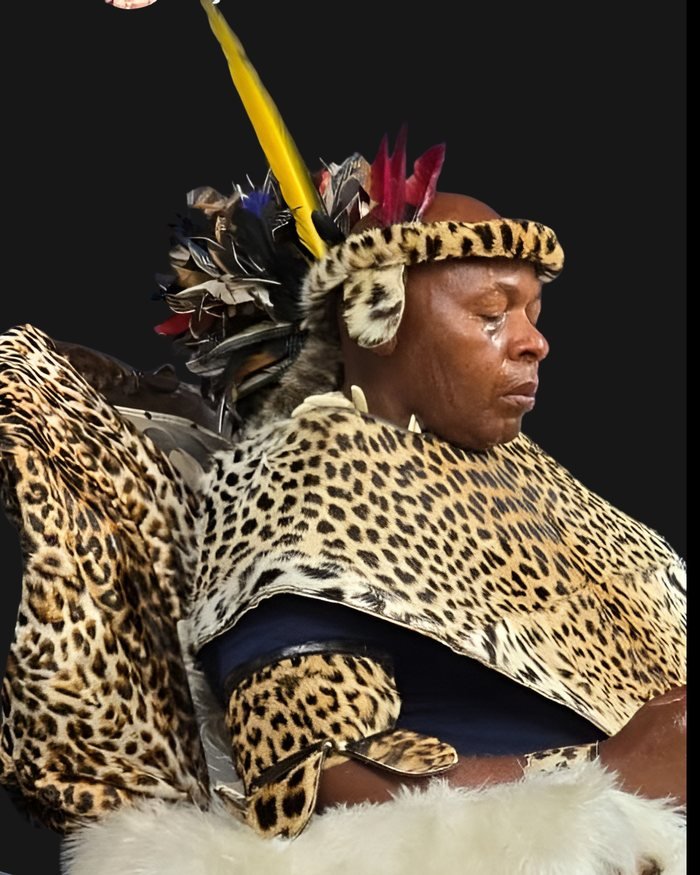
Leopard-skin headbands, capes and arm bands, and beaded collars, mark royal ceremony.
See the archiveKnowledge of lineage, land, praise and custom, handed from elder to younger generations.
Commemorations will be listed under Events & Ceremonies when the Royal Family publishes them.
Programmes that pass isiXhosa, isiZulu and family praise traditions to young people are part of the Doctrine’s cultural pillar.
Cultural RestorationApproved interviews, stories and recordings will appear here with their consent notes.
Authorised family members and researchers may submit material for editorial review. Nothing becomes public until it is approved.
Send your material with the names of the people involved and their consent.
Every submission is marked pending review. It is not visible to the public.
An authorised editor approves, asks for changes, or restricts the material.
Approved items are published. Sensitive items can be kept for authorised family members only.
Consent. Photographs, recordings and personal stories are used only with the consent of the people in them, and cultural protocols are respected. Use the submission form on the Contact page. Your material is handled by this process.
These pillars describe what the Royal Family stands for. The examples show how each pillar could be applied. They are not a claim that every programme is already running.
Promote integrity, ethical conduct, responsibility and accountability.
Protect self-worth, respect, social inclusion and the wellbeing of communities.
Promote entrepreneurship, investment, skills development, employment creation and sustainable livelihoods.
Preserve language, ancestral knowledge, customs and cultural identity.
Prepare younger generations to become responsible custodians of heritage and constructive contributors to society.
Ubukhosi bamaNtambo is a living responsibility: to preserve heritage, restore human dignity and contribute meaningfully to the wellbeing of present and future generations.
A statement summarising the Royal Family’s philosophy. It is not a historical quotation.